
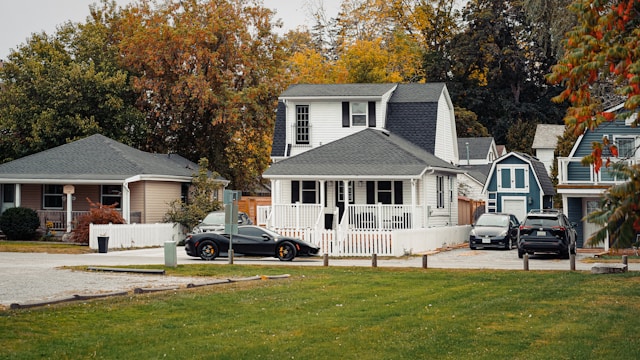
Home insurance is one of those necessities most Bellevue homeowners carry, but very few take the time to optimize. With premiums shifting across Washington and rebuild costs staying elevated, 2026 is a good time to review your policy, confirm your limits match today’s reality, and make sure you are not paying more than you need to for the protection you actually want.
That is where the right Bellevue home insurance policy comes in. The goal is not just to have coverage, but to protect your home, your belongings, and your finances whether you live near Downtown Bellevue, in Somerset, or closer to Clyde Hill.
Understanding what home insurance typically covers in Washington
Before you start looking for savings, it helps to understand what you are buying. Most homeowners policies are built around Coverage A through D, plus liability. Washington’s Office of the Insurance Commissioner provides a plain-language overview of how homeowners insurance works here: Learn how home insurance works.
Coverage A is the dwelling itself, your roof, walls, attached garage, built-ins, and permanent fixtures.
Coverage B is other structures, like detached garages, fences, sheds, and some outdoor structures.
Coverage C is personal property, your belongings, furniture, clothing, electronics, and household items.
Coverage D is loss of use, the additional living expenses if a covered loss makes your home temporarily unlivable.
Personal liability helps protect you if you are responsible for injury to someone else or damage to their property.
The most common issue we see is homeowners assuming their policy covers every water scenario. Flooding is usually not covered under a standard homeowners policy, which is why some Bellevue homeowners evaluate separate flood insurance. FEMA also explains how flood insurance works here: Flood insurance. Earthquake is another frequent gap unless you add separate coverage or an endorsement, and you can review earthquake insurance options if that exposure matters for your situation.
1. Compare quotes from multiple providers
Not all insurers price home insurance the same way. One carrier may weigh roof age more heavily, another may focus on replacement cost assumptions,
claims history, construction type, or proximity to certain risk factors. The difference can be meaningful even when coverages look similar on the surface.
Working with an independent agency is a straightforward way to compare multiple carriers without making the process complicated. At Kimball Agency, we help Bellevue homeowners evaluate options across insurers, then align the policy with the home’s rebuild profile and your risk tolerance. If you want a starting point, Kimball’s home insurance page outlines core policy considerations.
2. Maximize every discount you actually qualify for
Home insurance discounts are real, but they are often missed because policies renew automatically and nobody revisits the details. Bundling is one of the most common opportunities, especially when home and auto are placed together. If you are considering a bundle, it helps to review auto insurance alongside your homeowners coverage so liability limits and discounts are coordinated.
Other discount drivers may include protective devices, updated electrical or plumbing, certain roof characteristics, claim-free history, or payment and billing preferences depending on the carrier. The key is requesting an annual discount review so you are not leaving savings unclaimed simply because the policy has been on autopilot.
3. Adjust coverage and deductibles strategically
The goal is not just a lower premium. It is the right tradeoff between out-of-pocket cost and protection if something goes wrong.
Your deductible is one of the most direct levers. Increasing a deductible often reduces premium, but only do this if the deductible is an amount you could pay comfortably during a stressful event. Beyond deductibles, make sure your dwelling limit reflects rebuild cost, not market value. In Bellevue, the rebuild number can change after remodels, kitchen upgrades, or additions, and being underinsured is far more painful than modest premium differences.
This is also the right time to ask about endorsements that commonly matter for homeowners, such as water backup coverage, service line coverage, equipment breakdown, and scheduling valuables. Many households in Bellevue have items that exceed standard policy sublimits, and scheduling them can be one of the simplest ways to avoid a disappointing claim outcome.
4. Reduce risk in ways insurers reward
Home insurance pricing is fundamentally tied to risk. While not every improvement will lower premium, some changes can reduce the chance of losses that drive rates over time.
Simple examples include proactively addressing roof and gutter issues, updating aging plumbing lines, adding water leak detection where appropriate, and maintaining safe walking surfaces during wet months. Even if a carrier does not apply an immediate discount, these steps reduce the likelihood of the kinds of claims that can affect future renewals.
5. Build a personal property plan you can defend after a claim
Most homeowners do not know the true value of what is inside the home until they try to list it after a loss.
A quick video walkthrough of each room, saved securely, plus photos of valuables and key receipts, can make the claims process much easier.
From a coverage perspective, confirm whether your contents are settled at replacement cost rather than depreciated value, and consider scheduling higher-value items so they are not constrained by category limits. These are the details that determine whether Coverage C feels like real protection or a partial reimbursement.
6. Review your policy every year, not just when you buy a home
Many homeowners let policies auto-renew for years without reviewing the declarations page. That is where gaps quietly form. At renewal, confirm your dwelling limit still reflects rebuild cost, review deductibles, verify endorsements, update any remodels or additions, and ask whether better pricing exists for the same coverage profile. If you changed vehicles, added a teen driver, acquired higher-value assets, or improved the property, those are all reasons to revisit both home and auto insurance together.
7. Work with a local Bellevue agent
Local context matters more than people expect. A Bellevue-based agent understands how rebuild assumptions can differ across neighborhoods, how remodels and upgraded finishes affect replacement cost, and how local weather patterns influence common claim types. Just as importantly, they can help you navigate claims questions and coverage decisions without guesswork.
Kimball Agency also shares local guidance on policy strategy in Why Bellevue homeowners and drivers need local insurance expertise, which is a useful perspective when you are deciding how to structure coverage in a high-value area.
Final thoughts
Home insurance does not have to be confusing or overpriced. With a few focused adjustments, comparing carriers, aligning rebuild limits, tightening endorsements, and reviewing discounts, Bellevue homeowners can keep strong protection while avoiding unnecessary cost.
If it has been more than a year since you reviewed your policy, now is a practical time to do it. To request a homeowners quote or a coverage review, reach out through
Kimball Agency’s contact page and we will help you compare options and tighten the policy around how you actually live.
